

Starting a small business is a huge task. No matter how prepared you are, there’s always tons of new things to learn and more money needed to invest. Luckily, there are a lot more tools available that can make certain parts of it much simpler. This article will show you the best tips, tricks and tools to get your business off the ground.
Finding a Business Idea That Works for You
The first thin you’ll need is a good business idea. You’ll need to think about three things: what you’re capable of doing, what the market is willing to pay for, and what you can deliver consistently. If you skip any one of these questions, your business will struggle.
Idea Questions to Ask Yourself
- What do people regularly ask you for help with?
- What would you do for free if money weren’t a consideration?
- What do you know that most people around you don’t?
- Is there a product you’ve wanted to buy but couldn’t find exactly right?
- What recurring problem do you face that you’ve solved for yourself?
The Market Test
Before committing to an idea, search for it on Amazon, Etsy, Google, and YouTube. If there are people selling similar things and making sales, then you already know that the market exists. Existing competition is validation, not a problem. Your goal isn’t to be the only option , but to be the best option for customers.
Validating Your Idea Before You Invest
Before mass producing a physical product or going all-in on digital products, you always need to test the water first. For physical products, create a few test products and put them up for sale. For digital products, create one high-quality product and put it up on Etsy. Market it well and see if it sells and hopefully get some feedback from customers.
Low-Cost Validation Methods
- Offer it to friends/family: Always get a second opinion from someone whose opinion you trust.
- Post in a relevant Facebook group or Reddit community describing the problem your product solves. If dozens of people respond with “I need this,” that’s validation.
- Research keyword search volume: If thousands of people search for your product on Google or Amazon every month, the demand is verified without you having to test it yourself.
Online Business Options
Selling Digital Products (Easiest to Start)
Digital products such as templates, printables, SVG files, ebooks, spreadsheets, all require no inventory, no shipping, and have no production costs (besides your time). They’re the fastest way to go from idea to income for most new entrepreneurs.
Recommended platforms:
- Etsy: This is the best marketplace for digital products. It has strong search traffic and an established buyer base. See: How to Set Up a Business on Etsy and How to Make $5K Selling Digital Products on Etsy.
- Amazon KDP: For novels, puzzle books, journals, and notebooks. See our Complete KDP Guide.
- Gumroad: Simple, direct, no monthly fees. Good for ebooks, templates, and courses. Though, you’ll often have to provide your own traffic.
- Your own WooCommerce store: More control and margin than marketplace platforms. See our: Complete WooCommerce Guide.
Freelance Services (Fastest First Dollar)
If you have a skill – writing, design, video editing, coding, bookkeeping, social media management – you can sell your services on Fiverr.
Best platforms for freelancers:
- Fiverr: Best for offering specific, packaged services (“I will design your logo for $50”). See our guide: Top Easiest Fiverr Gigs to Make Money Fast.
- Upwork: Better for longer-term client relationships and higher hourly rates. However, they now charge freelancers to buy credits to apply for jobs. Go in knowing that it’s no longer free.
Merch by Amazon / Print-on-Demand
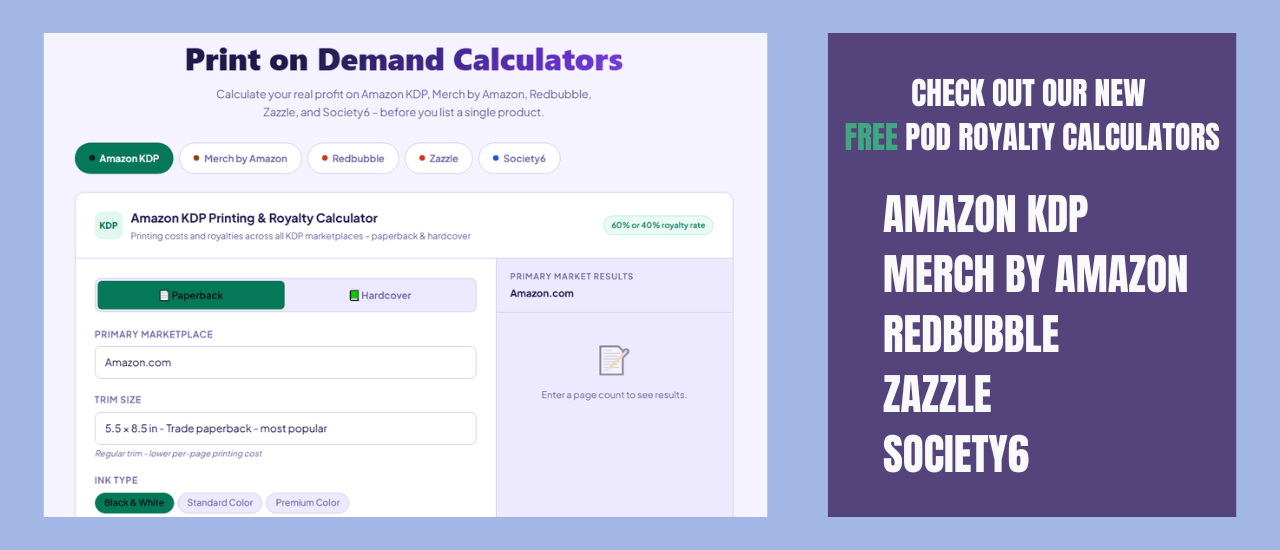
Upload designs to Merch By Amazon, they’ll print your design onto t-shirts, mugs and other items and put it for sale on their platform. See our complete guide: How to Start a Merch by Amazon Business.
Affiliate Marketing and Content
Build a blog, YouTube channel, or social media following around a topic, and earn commissions from products that you recommend to your audience. Slower to start but can be very profitable. You’ll definitely need to improve your SEO and social media skills. For passive income from content: Best Passive Income Ideas That Actually Work.
Product-Based Business Ideas
Physical product businesses require more upfront investment but can be highly profitable in local markets and on platforms like Etsy. Here are the specific product categories we’ve looked into:
Body Oil Business
Body oils and skincare products have strong demand locally and on Etsy. They’re relatively simple to produce, have good margins, and the beauty market is enormous. See: How to Start a Body Oil Business.
Slime Business
The slime market – particularly for children’s novelty products – has a very dedicated audience on Etsy and TikTok. Production costs are low and the products photograph extremely well for social media. See: How to Start a Slime Business Online.
Hummus and Food Business
Food businesses face more regulatory requirements (food safety certifications, labelling rules, packaging standards) but the margins on artisanal food products are excellent. Read: How to Start a Hummus Business. For a broader look at food business opportunities: Healthy Food Business Ideas.
Trading Card Business
Buying, grading, and reselling trading cards (Pokémon, sports cards, Magic: The Gathering) is a legitimate business model that requires relatively low startup capital but very good market knowledge. See: How to Start a Trading Card Business.
Vending Machine Business
A passive-income physical business — buy machines, place them in high-foot-traffic locations, stock them regularly. More capital-intensive upfront but the income is genuinely passive once running. For the full guide: How to Start a Vending Machine Business.
SVG Files and Design Business
Create SVG cut files for Cricut and Silhouette users and sell them on Etsy and Creative Fabrica. It has very low startup cost, but pretty good demand. See: How to Create SVG Files to Sell and Become a Creative Fabrica Contributor.
Getting Your First Customers
The fastest way to get first customers is to start on a marketplace that already has traffic and to utilize social media. Here are your options.
- List on marketplaces first: Etsy, Amazon, Fiverr – they all have existing traffic, so it’s easier for your products to get noticed. You can also market your products directly in these marketplaces for $2 a day to get some initial clicks.
- Social media: Choose one platform where your target customer spends most of their time. For craft/product businesses, Pinterest and Instagram. For professional services, LinkedIn. For gen-Z products, go with TikTok. See our guide: How to Promote Your Online Business on Social Media.
- Content and SEO: For long-term organic traffic, start a blog or YouTube channel around your niche. This takes 6–12 months to start taking off but becomes a powerful free traffic source. It’s best to start ASAP, to start building momentum now. See: How to Get Your Website to the Top of Google.
Scaling from Side Hustle to Full-Time Income
Most small businesses start as side hustles. With time, you’ll hopefully be able to turn this into your full-time job and quit the 9-5 hustle. This requires scaling your business.
The fastest paths to scaling each business type:
- Digital products: Volume. More products, better keyword research, more listing optimisation. Read 17 side hustles to make $100 a day for ideas.
- Freelance: Raise rates as your portfolio grows and you build more experience. Specialise in a high-value niche.
- Physical products: Increase production efficiency, expand your distribution channels, add complementary products.
Frequently Asked Questions
What is the easiest business to start with no money?
Freelancing on Fiverr (using skills you already have) or selling digital products on Etsy (using free tools like Canva to help create your products). Both require zero startup capital (just your time) and can start bringing in money within days or weeks. See: Easiest Fiverr Gigs to Make Money.
Do I need to register my business before I start selling?
In most countries, no. You can start trading as a sole proprietor immediately. There are often benefit to both registering and not registering. Always check the rules of your country before starting up your business.
Last Updated on May 23, 2026

With more than fifteen years of blogging experience, I have contributed to numerous respected websites and publications. I am also the author of multiple books that have sold thousands of copies and currently lead a successful digital sales business. Writing remains my core passion, and I am dedicated to creating meaningful stories and insights that resonate deeply with readers.